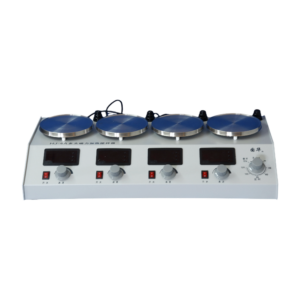
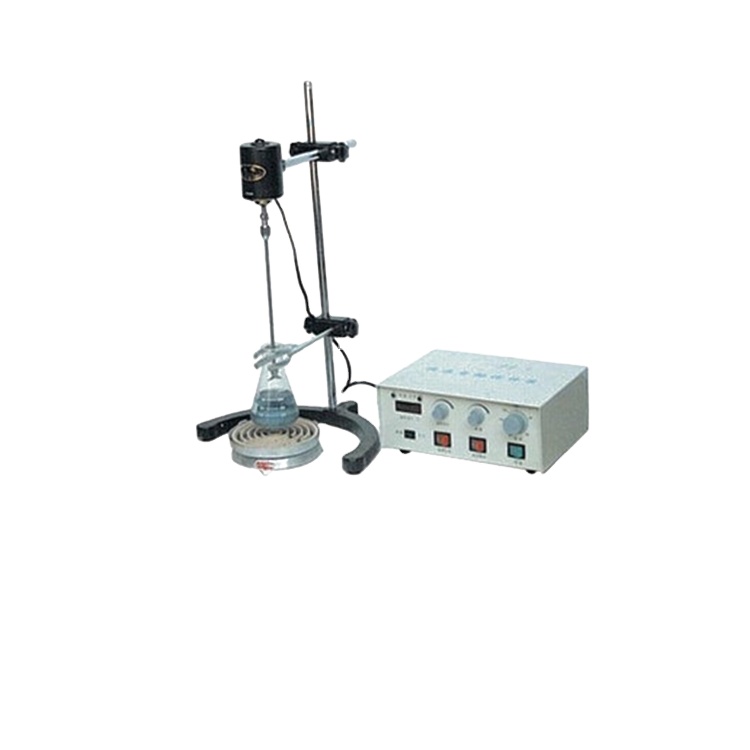
Precise Temperature Control · Efficient Melting · Safe and Reliable
A Paraffin Dispenser is a specialized device designed to heat solid wax into liquid form and maintain a stable temperature. It is widely used in industrial production, scientific research, medical rehabilitation, wax therapy, and wax product manufacturing. Choosing the right wax melter not only improves efficiency but also ensures safe and stable operation.

I. Temperature Control Performance
The temperature control system is the “core” of a wax melter.
- Control Accuracy: Ideally within ±1℃, while advanced models can achieve ±0.1℃.
- Temperature Range: Should cover from room temperature up to above the melting point of wax (e.g., RT ~ 95℃ or higher), suitable for paraffin, beeswax, medical wax, etc.
- Temperature Display: Digital or touchscreen displays allow real-time monitoring and adjustment.
- Uniform Heating: Equipped with circulation or stirring systems to prevent temperature stratification, ensuring even melting.
II. Material and Structural Design
Durable materials and thoughtful design ensure long-term performance.
- Inner Tank: Made of stainless steel and easy to clean.
- Outer Shell: Powder-coated steel or stainless steel for durability and aesthetics.
- Insulation Layer: Multi-layer insulation reduces heat loss, enhances energy efficiency, and maintains stable wax temperature.
- Tank Design: Rounded inner corners prevent residue buildup and allow easy cleaning.

III. Heating Efficiency and Energy Consumption
Efficiency determines workflow and energy usage.
- Heating Method: Electric heating elements evenly distributed at the base or sides for fast temperature rise.
- Melting Speed: Should fully liquefy wax within a short time (e.g., within 30 minutes for a full tank).
- Energy Saving: Intelligent energy-saving mode automatically adjusts power during constant operation.
IV. Safety and Protection Features
Since melting wax involves high temperatures, safety is crucial.
- Overheat Protection: Automatic power cut-off if the temperature exceeds the preset limit.
- Low Water/Dry-Burn Protection (on some models): Prevents heating element damage.
- Leakage Protection: Ensures operator safety.
- Emergency Stop Button: Allows immediate shutdown in case of accidents.
- Heat-Insulated Exterior: Prevents accidental burns.
V. Ease of Use and Automation
User-friendly design enhances work efficiency.
- Interface: Touchscreen or knob-type, simple and intuitive.
- Automation Features:
- Automatic temperature control
- Automatic wax discharge
- Automatic stirring/circulation
- Automatic filtration for pure wax solutions
- Smart Options: Advanced models may support PC or mobile app monitoring for remote control.
VI. Capacity Options and Applications
Capacity should match the intended usage:
- Small (1–3L): Suitable for laboratories and cosmetic R&D.
- Medium (5–10L): Ideal for hospitals, rehabilitation centers, and wellness spas.
- Large (10L+): Best for industrial production and wax product manufacturing.
VII. Maintenance and Care
Proper care extends equipment lifespan:
- Clean residual wax after each use.
- Regularly inspect heating elements and controllers.
- Drain the tank if the unit will not be used for a long time.
- Avoid using sharp tools inside the tank to prevent stainless steel damage.
VIII. Typical Applications
- Medical Rehabilitation: Paraffin therapy for arthritis and rheumatism relief.
- Scientific Research: Biological tissue embedding, wax sample preparation.
- Industrial Manufacturing: Wax casting, wax product fabrication, lubricant processing.
- Beauty & Wellness: Hand and foot wax treatments in spas and beauty salons.
Conclusion
When selecting a constant temperature wax melter, key considerations include temperature accuracy, material durability, heating efficiency, safety features, ease of operation, and capacity. By choosing the right model tailored to your needs, you can ensure efficient, safe, and stable operation, providing reliable support for scientific, medical, and industrial applications.