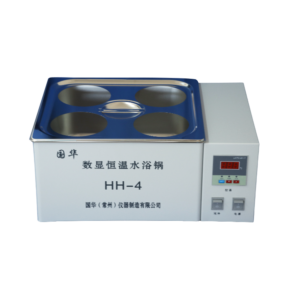
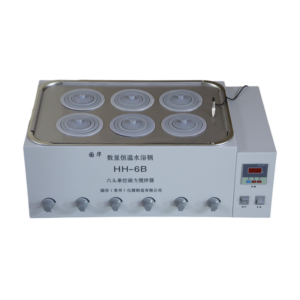
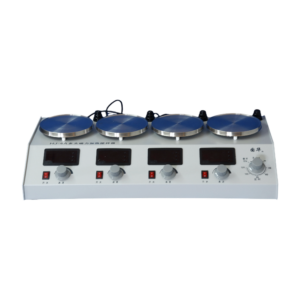
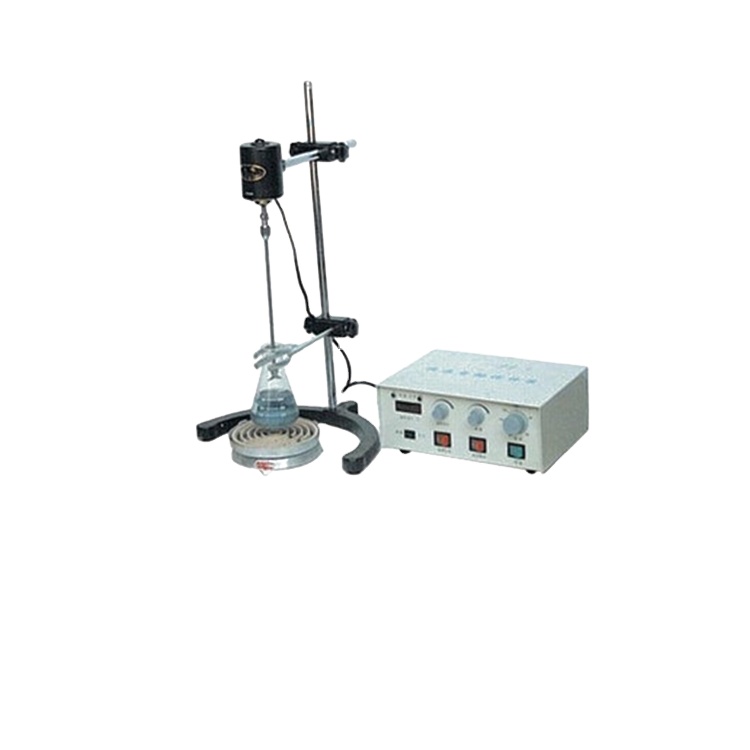
The digital constant-temperature circulating water bath uses water as a heat transfer medium, generally operating below 95 °C. It is widely applied in drying, concentration, distillation, soaking of chemical reagents, soaking of pharmaceuticals and biological products, as well as for constant-temperature water bath heating and other temperature-related experiments.
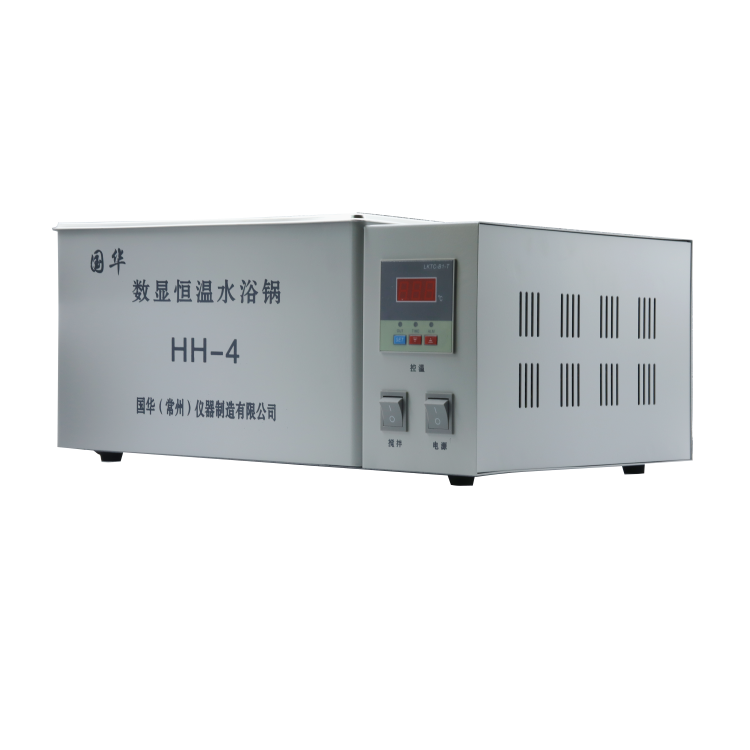
The digital constant-temperature circulating water bath is typically composed of two layers. The inner layer is a tank made of aluminum plate or stainless steel plate, filled with water as the heating and heat transfer medium. Copper tubes are installed at the bottom of the tank, inside which heating resistance wires are placed as the heating element. These resistance wires are sleeved with ceramic tubes to prevent contact with the copper tubes, which could otherwise cause leakage. The two ends of the resistance wires are connected to a temperature controller, which regulates the heating element to maintain a constant water temperature inside the tank. A temperature sensor is installed in the tank, and the temperature can be adjusted via the control knob on the front panel.

The outer casing of the water bath is usually made of thin steel plates with a baked enamel coating for corrosion resistance, and the inner wall is lined with insulating materials. The front panel is equipped with a power switch, temperature control knob, and indicator lights. A drain valve is located at the bottom of the tank, and the top panel includes a thermometer inserted into the water for measuring temperature.

The possible causes of the water bath casing becoming electrified are as follows:
- Poor grounding – a professional electrician should check whether the socket is properly grounded.
- Check whether the three-prong socket of the water bath is effectively connected to the ground wire.
- Possible heating element issue – during heating, the resistance wire expands due to heat and comes into contact with the protective sheath, which may cause the entire water bath to become electrified.
Solution: Disconnect the two wires of the heating tube and test under power. If leakage still exists, the problem lies elsewhere; if no leakage occurs, the heating element is faulty and should be replaced.